


Our technical clothing
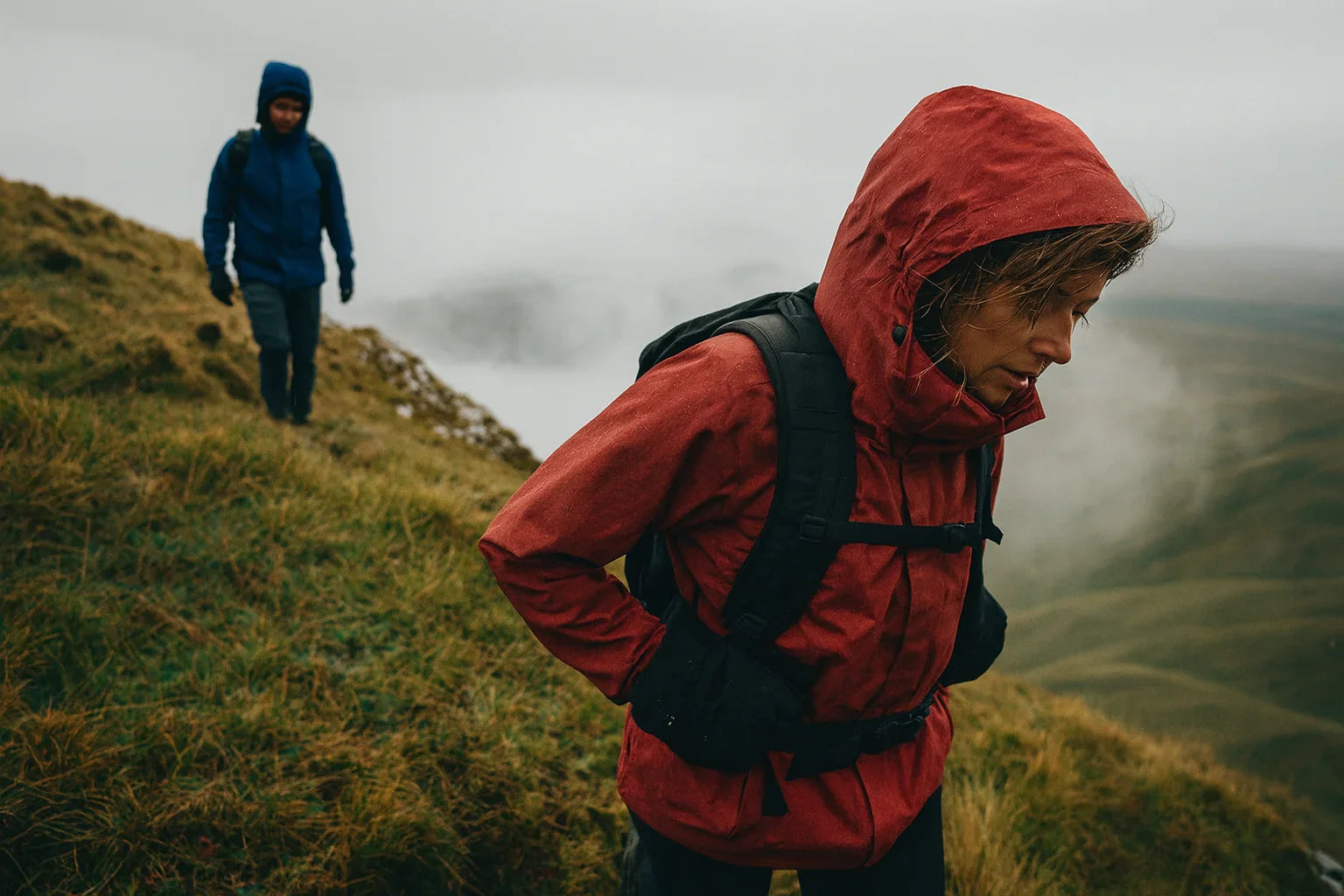
If you think breathable base layer, adaptable insulation, and waterproof protection, you've mastered the life-saving 3-layer system. Merino wicks away sweat, softshell provides adjustable warmth, and Gore-Tex hardshell protects from the rain. At Arknor, we offer 200g/m² thermal underwear, breathable jackets, and ultra-compressible 900 FP down jackets. Stay dry, warm, and mobile.


Frequently Asked Questions
Start by defining your actual itinerary: day hike, weekend, 4 to 7 day trek or long trek with bivouac.
When backpacking , aim for 20–30 L for daypacking, 35–50 L for 2–3 days, and 55–70 L beyond, keeping the load at 20–25% of your body weight and a back set from C7 to the iliac crests.
For tents , choose the number of places taking into account the equipment: a 2-person tent with two apses is often more comfortable than a loaded 1-person tent, and the difference is based on the floor space, the interior height and the apse space more than on the number of “places”.
On shoes , leave ~1 cm in front of the longest toe, validate the width, test at the end of the day and choose the drop: 4–8 mm for precision and dynamism, 8–12 mm for prolonged comfort.
For poles , a length close to waist × 0.68 puts your forearm at 90°, the folded value should fit in your bag, and the locking system should be reliable with legible markings.
This simple framework saves you 80% of purchasing errors.
A 2-person tent is considered ultralight under 1.5 kg, versatile and robust between 1.5 and 2.2 kg; above this, you gain in wind resistance and volume at the expense of carrying.
A 50–60 L bag is comfortable under 1.8 kg if it retains a real frame; heavier, it supports high loads better.
Poles weighing less than 400g per pair are very light but do not tolerate sudden twists well; 7001/7075 aluminum bends before breaking, whereas carbon breaks cleanly but filters vibrations better.
In fabric , a 20–30D ripstop nylon optimizes the weight/resistance ratio, a 40D and above withstands abrasion, polyester holds up better to UV rays; silicone coatings (silnylon/silpoly) bead for a long time while PU accepts bonding better but ages more quickly.
As for shoes , EVA is light and flexible, PU lasts and wears better, the anti-stone plate protects on rough terrain; a “wet grip” rubber provides security on rock, a harder compound lasts for miles.
Choose based on your frequency of use, terrain, and risk tolerance: ultra-light for elevation and speed, denser materials for long season and heavy packs.
Place the hipbelt right on your hips, tighten it before the shoulder straps, then adjust the load adjusters to maintain a 30-45° angle; tighten the chest strap to stabilize without compressing. Pack heavy items close to your back and in the middle of your torso, keep water and layers within reach; a well-balanced pack saves your quads and spares your shoulders. Orient a tent into the prevailing wind, tighten the guy lines in the last third, and multiply the anchors if the ground is soft; in gusts, a geodesic shape holds better than a basic dome. Lace your boots with a “heel lock” when it’s downhill or pouring to prevent the back of your foot from slipping and bruised toenails. Use pole straps with a palm push, adjust strand by strand to remove any slack, and adjust the length when climbing/descent to keep your elbows close to 90°. These simple gestures, repeated, are worth more than any gadget.
Look for a tent flysheet with a 1,500–3,000 mm waterproof rating and a groundsheet with a 3,000–10,000 mm rating. Add a footprint if the ground is abrasive and ensure high and low air vents to prevent condensation. A single-wall tent requires more ventilation and careful positioning. When packing a bag , choose a waterproof inner liner rather than a rain cover alone, which offers poor protection against crosswinds. Protect zippers and seams with storm flaps. On footwear , a membrane keeps water out in continuous rain but dries more slowly. In warm weather or alternating showers, a non-membrane upper, regularly re-waterproofed, often remains more breathable. Remember that DWR (durable water repellent) wears off: when water no longer repels, clean and refresh the treatment.
Finally, true regulation is achieved through layers: a breathable base layer, appropriate insulation, and a ventilating shell, in order to avoid transforming external rain into internal sweat.
For shoes , crampons of 5 mm and more bite into mud and loose earth when 3–4 mm are enough on dry trails; a soft rubber sticks to wet rock but wears quickly on tarmac, a hard rubber reverses the compromise. A sole with a “heel brake” and an anti-stone plate reassures on scree, while a more rigid upper stabilizes heavy portage or prolonged slopes. As for tents , a geodesic multiplies the poles and absorbs the wind, a tunnel optimizes weight and habitability if the orientation is careful, a self-supporting dome makes life easier on slabs and restricted areas; choose your stakes according to the ground, from the aluminum Y for versatility to the long stake for sand/snow. For poles , wide washers prevent sinking into snow and peat, thin washers slide better between stones; carbide tips trace cleanly on scree. Finally, in a bag , a rigid belt and a marked chassis are suitable for high mountain loads while a flexible harness remains unbeatable for fast hiking.
Always dry a tent completely before storage, keep it away from prolonged UV rays, inspect the taut seams and revive the water repellent when the water no longer beads; a simple and early repair (patch, stitching, guy lines) avoids costly breakage. Clean a bag with warm water and mild soap, never in the washing machine, dry it flat and regularly check buckles, straps and frame rails; keep a minimal field kit (needle, strong thread, self-adhesive patches, spare strap). Brush your shoes after outings, let them air dry away from a heat source, condition the leather, replace the insoles and have them resoled if the model allows it; a new sole often gives you a full season. Rinse your poles after mud or salt, open and dry the tightenings, replace tips and washers as soon as they become visible. When purchasing, choose products that offer spare parts, replaceable YKK zippers, available hoops and repairable after-sales service: this saves you money in the long term.
OUTDOOR, HIKING AND TREKKING CLOTHING
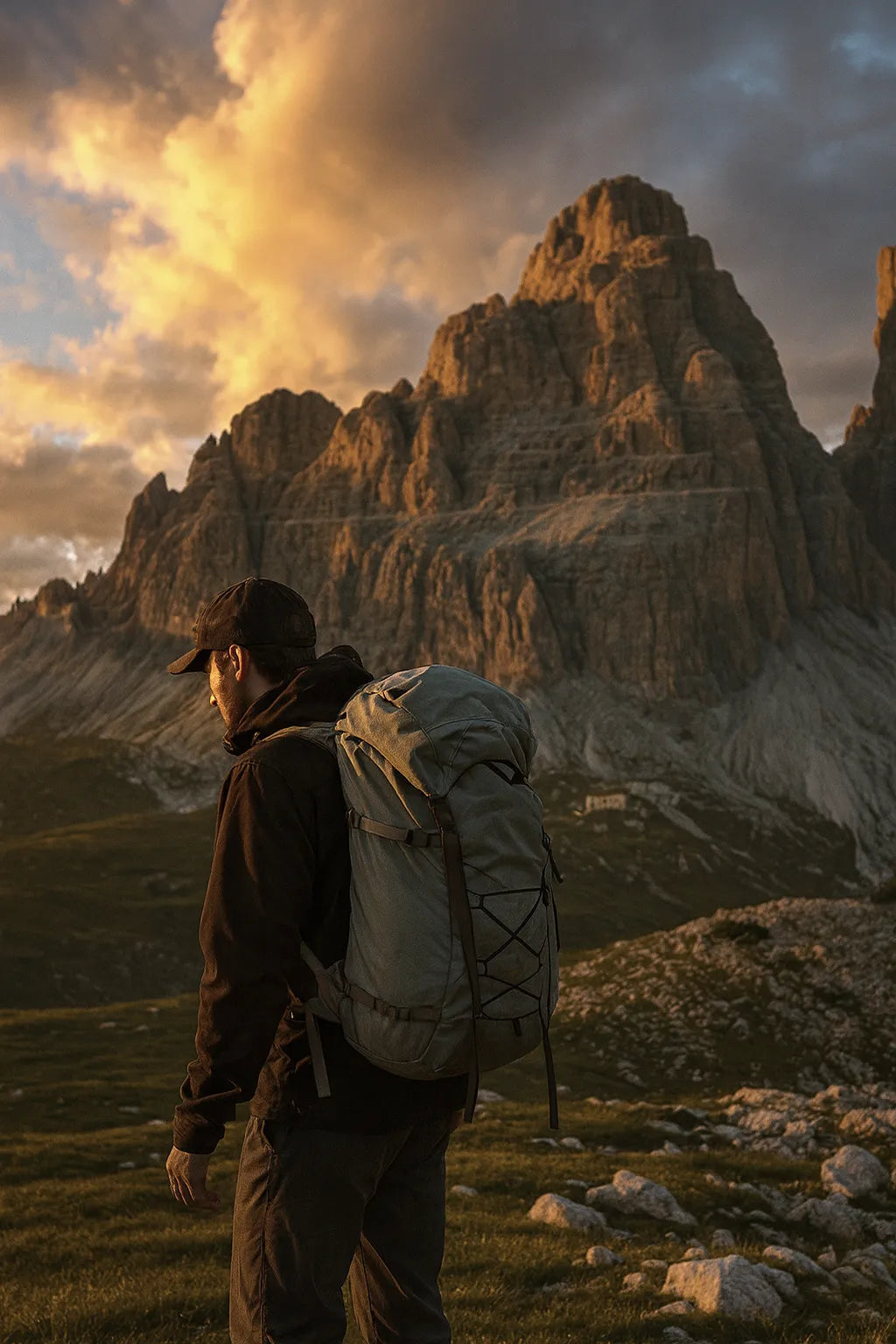
At arknor.com , we select technical clothing designed for hiking, trekking, travel, and all your outdoor activities. Our goal: to keep you dry, warm, or cool , depending on the conditions, while allowing you complete freedom of movement.
You will find a full range of hiking and mountain clothing for all seasons:
- Base layers (technical t-shirts, underwear, first layer in synthetic or merino wool).
- Mid-layers (fleeces, light down jackets, insulated jackets).
- Protective layers (waterproof and windproof jackets, hardshell, softshell).
Each product is chosen for its weight/protection/durability ratio , to accompany you on day trips, multi-day treks, or long-distance journeys.
How to choose your outdoor clothing
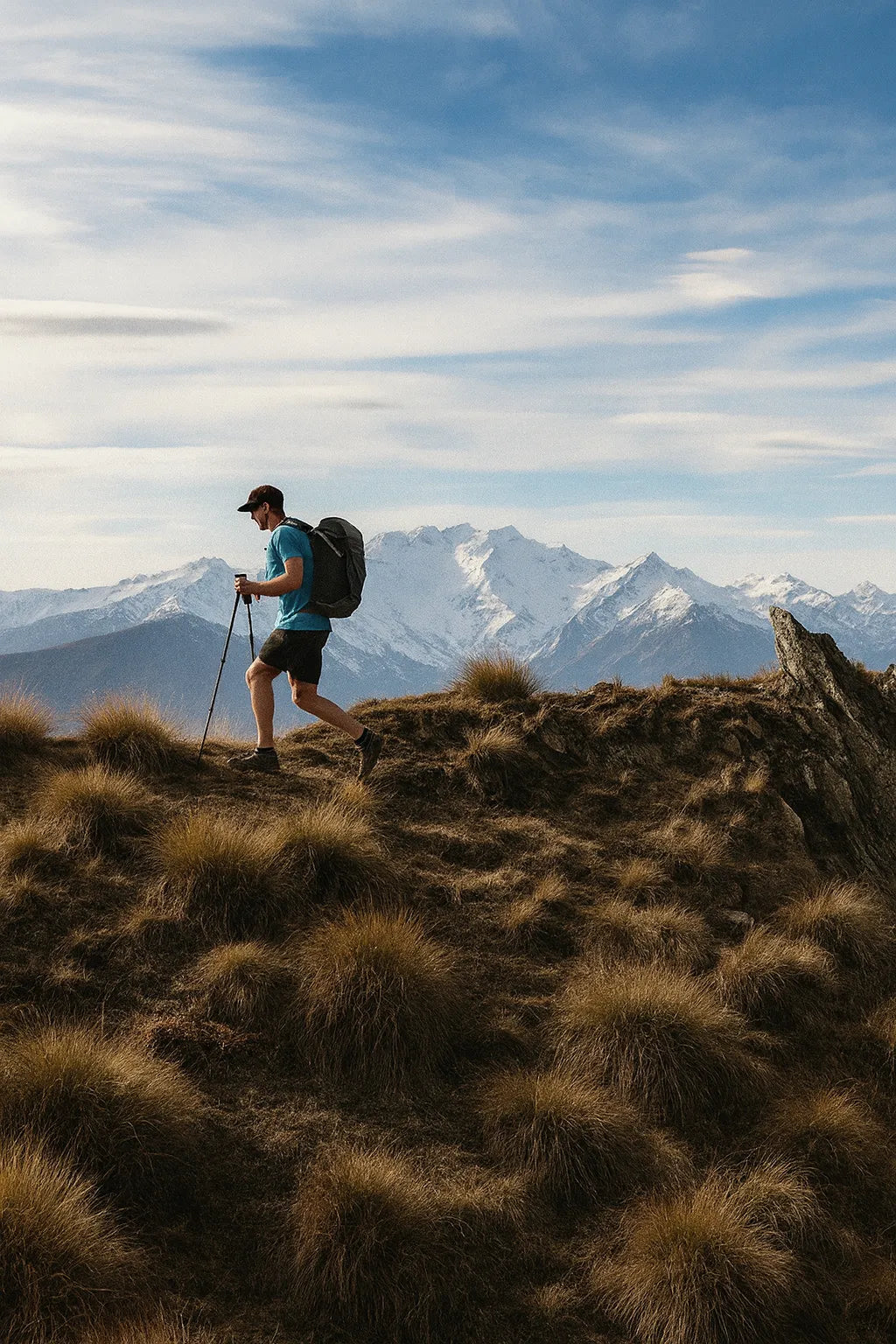
A good clothing system isn't just about a "warm" jacket or comfortable pants; it's the combination of layers that makes the difference. To help you choose on arknor.com , here are the main elements to consider.
Understanding the layer system
The basic principle: layering rather than relying on a single, overly versatile piece.
- Base layer (1st layer)
Made of synthetic material or merino wool.
It wicks away perspiration and keeps skin drier.
Opt for something close to the body, fitted but comfortable.
- Intermediate layer (2nd layer)
Fleece, synthetic down jacket or light down.
Provides thermal insulation .
Can be adjusted according to the intensity of the effort and the temperature.
- Protective layer (3rd layer)
Waterproof, windproof or softshell jacket.
Protects from rain, wind and sometimes snow .
Must remain breathable enough to prevent overheating.
By playing with these three levels, you can easily adapt your outfit to the weather, altitude, and your level of effort.
Adapt your outfit to your activity
- Day hike : opt for versatile , breathable pieces that are easy to put on or take off (zipped fleece, lightweight windbreaker, comfortable pants).
- Trekking and backpacking : opt for lightweight, compressible and quick-drying clothing, with one or two really reliable layers for cold and rain.
-
Outdoor travel : opt for versatile and discreet textiles, comfortable in the city as well as in the mountains, easy to care for and wear for several days.
- Trail / fast hiking : ultra-light and highly breathable clothing, capable of keeping up with the pace without overheating.
Build your entire outdoor gear at Arknor
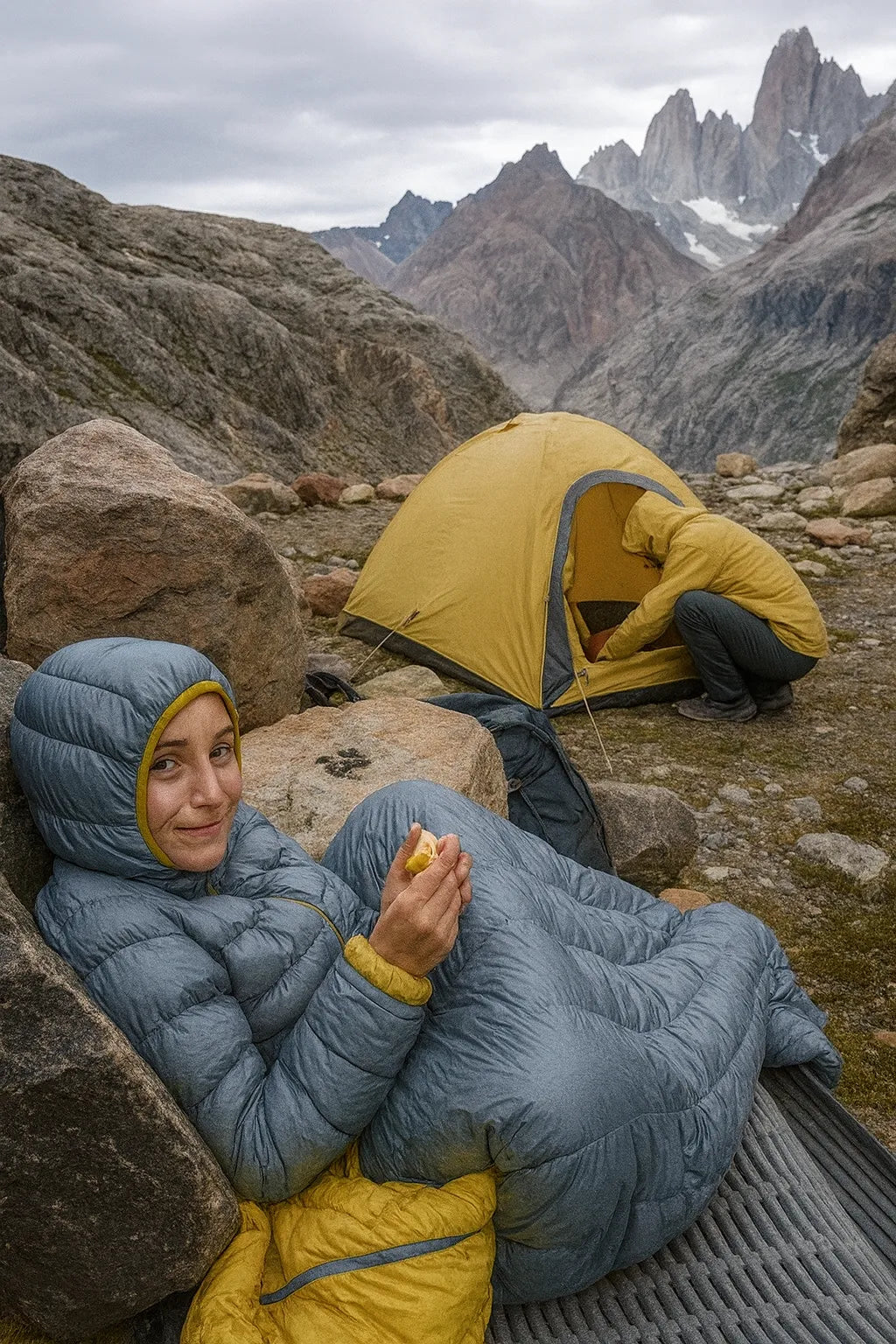
Your clothing is only part of the equation: to be truly comfortable outdoors, all your gear needs to be coordinated. On arknor.com , you can build a complete outfit that works together:
- Technical clothing adapted to the weather and your level of activity.
- Hiking, trekking or trail shoes suited to your terrain.
- Backpacks for day trips, treks or travel.
- Tents, sleeping bags, mattresses and accessories for bivouacking.
Browse our different categories, compare products and build a comprehensive system that covers all your adventures: from weekend outings to more ambitious treks.

